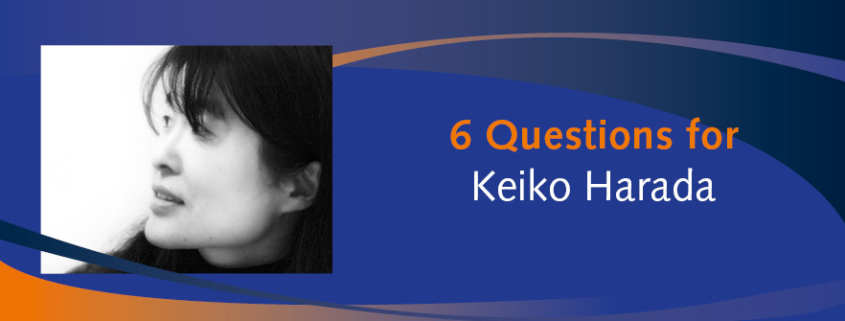

6 Questions for Keiko Harada
In my childhood I was strongly inspired by Debussy’s piano works and also visually by Michio Mamiya’s Score of Piano Sonata No.2, then in and after my late teens by Lachenmann, Ligeti, Kurtag, Webern and Aperghis.

In my childhood I was strongly inspired by Debussy’s piano works and also visually by Michio Mamiya’s Score of Piano Sonata No.2, then in and after my late teens by Lachenmann, Ligeti, Kurtag, Webern and Aperghis.
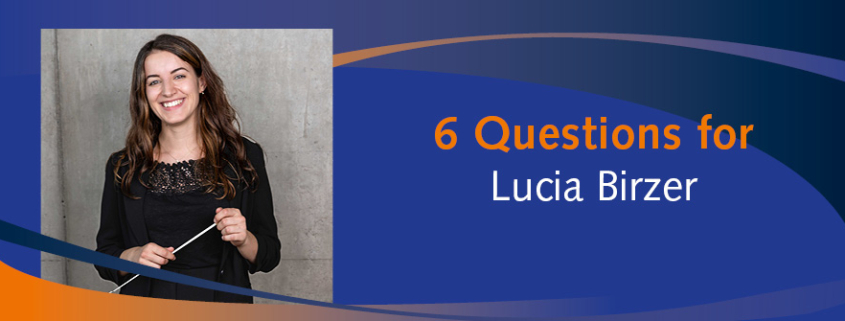

I find Lili Boulanger particularly inspiring, because she created such beautiful music in her short life, Igor Stravinsky for his colors, and in opera or music theater particularly Mozart and Verdi – you can learn simply everything from them.
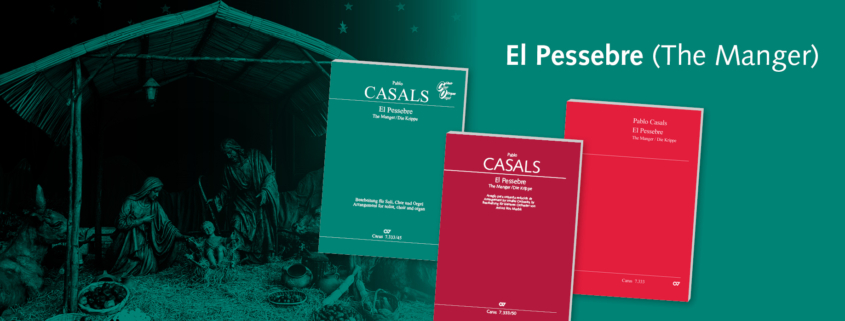

A musical memorial for peace and humanity: Casals was so impressed by the power of the verses that he immediately began setting the poem to music. With this background in mind, it is easy to understand why Alavedra’s “Poema del Pessebre” goes far beyond a jubilant and joyful Christmas message.
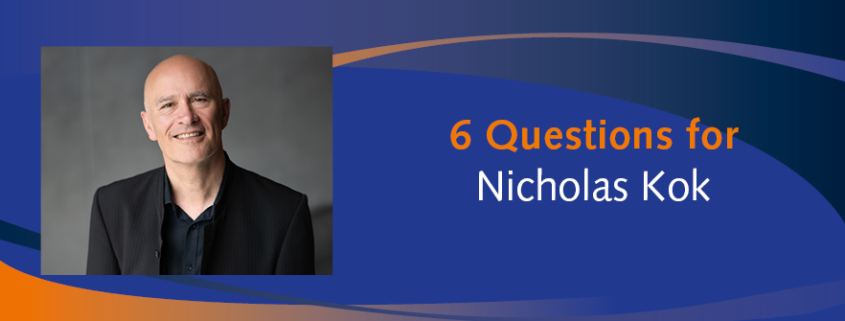

I wrote a pop song when I was 12, called ‘Fire’. I remember that it was in C major and that the music, which was heavily influenced by Elton John, was better than the lyrics, which were shocking!
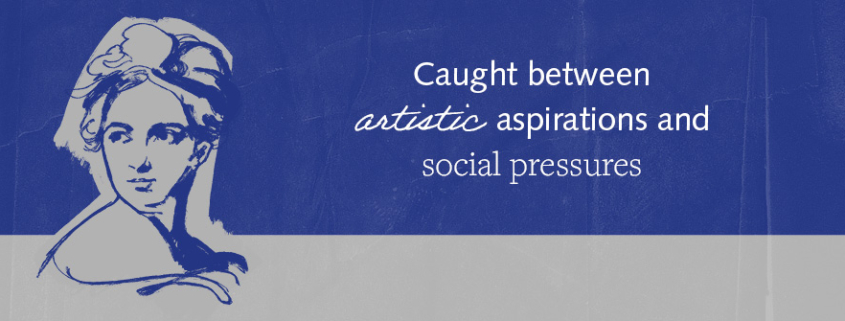
Caught between artistic aspirations and social pressures: In the 1830s and 1840s, Fanny Hensel composed a large number of songs. The compositions bear witness to her musical maturity and stylistic diversity. However, these years were not only a time of artistic creativity, but also personal difficulties.
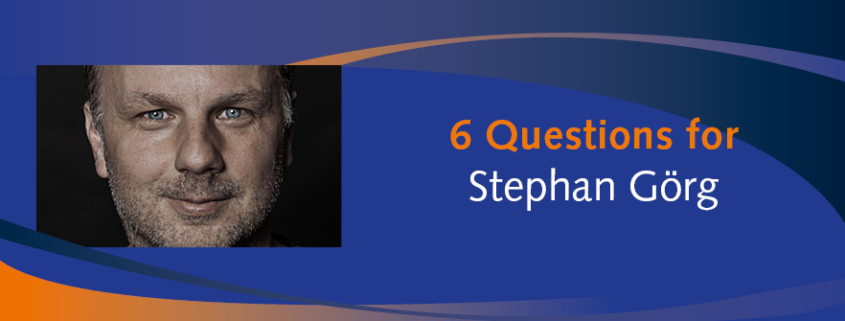

My most emotional experience was putting together my first concert with Vocal Journey (the jazz and pop choir of the Cologne University of Music and Dance) and my band after the pandemic in the Cologne Philharmonic Hall, as conductor, composer, arranger and pianist!
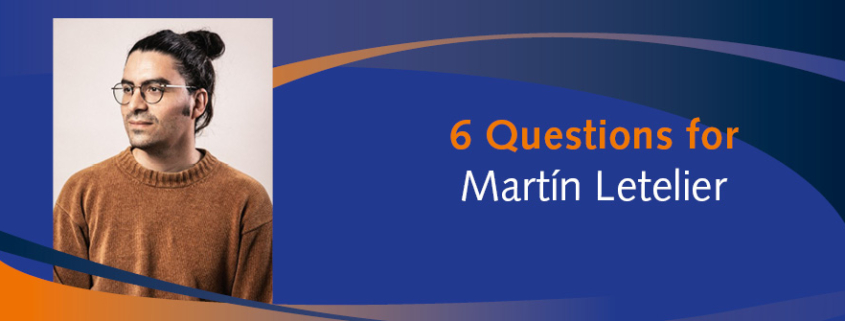

As a performer, I once participated in a version of John Cage’s ASLAP that lasted four uninterrupted days. It was performed on the organ of a beautiful church in a former monastery in Santiago de Chile, and many organists participated in two-hour shifts. I played in the middle of the night, and it was an almost transcendental experience to be in that church, enveloped by the sound of the organ, especially considering that I only had three chord changes in two hours. It was the closest thing to a musical “trance” that I had ever experienced.
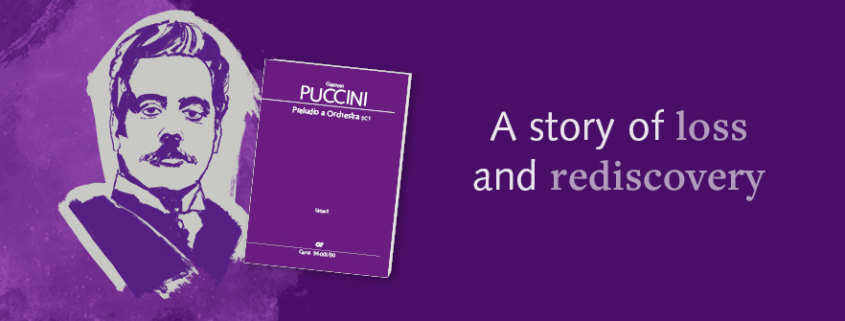

A previously unknown manuscript in the Puccini Archive in Torre del Lago was identified as the autograph score of the Preludio a Orchestra – and it turned out to be complete! The fourteen missing measures have been copied from this source, so that the complete Preludio can now be performed in its original form.
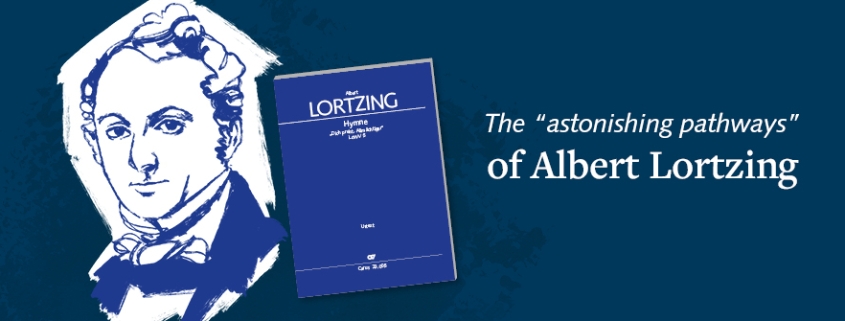

Our editor Barbara Großmann gives an overview of Lortzing’s life and work.
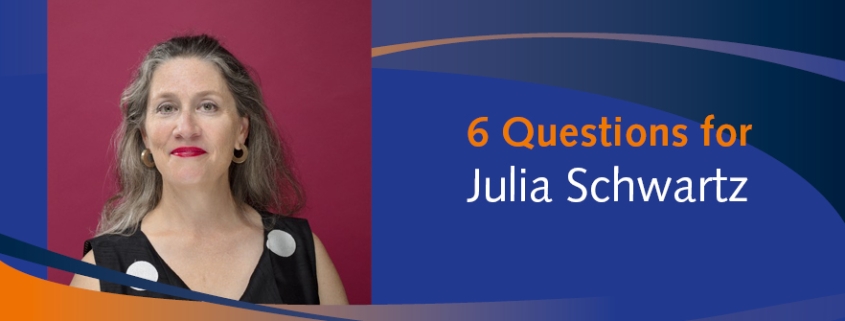

Julia Schwartz composes in practically all genres, and several of her compositions have already been published by Carus. She answers six questions in the Carus interview.